
Why Lavender and Chamomile is the Ultimate Dream Team for Your Home
The Lavender and Chamomile Scent: Nature’s Most Powerful Relaxation Duo
The lavender and chamomile scent is one of the most popular fragrance combinations in home wellness — and for good reason. Here’s a quick overview of what makes it special:
What you need to know at a glance:
- Scent profile: Floral, herbal, and softly sweet — often with supporting notes like bergamot, vanilla, eucalyptus, or cedarwood
- Key benefits: Reduces stress and anxiety, supports better sleep, calms the nervous system
- Active compounds: Lavender contains linalool and linalyl acetate (sedative properties); chamomile contains apigenin (promotes sleep)
- Best uses: Candles, diffusers, body mists, teas, bath soaks, DIY soaps, and linen sprays
- Who it’s for: Anyone looking for a simple, natural way to unwind at home
After a long, draining day, the last thing most people want is a complicated routine. That’s where this fragrance duo quietly does its best work.
Lavender has been used for relaxation since ancient Rome. Chamomile has been a trusted bedtime ritual for centuries. Together, they create something greater than the sum of their parts — a scent that signals to your brain: it’s time to slow down.
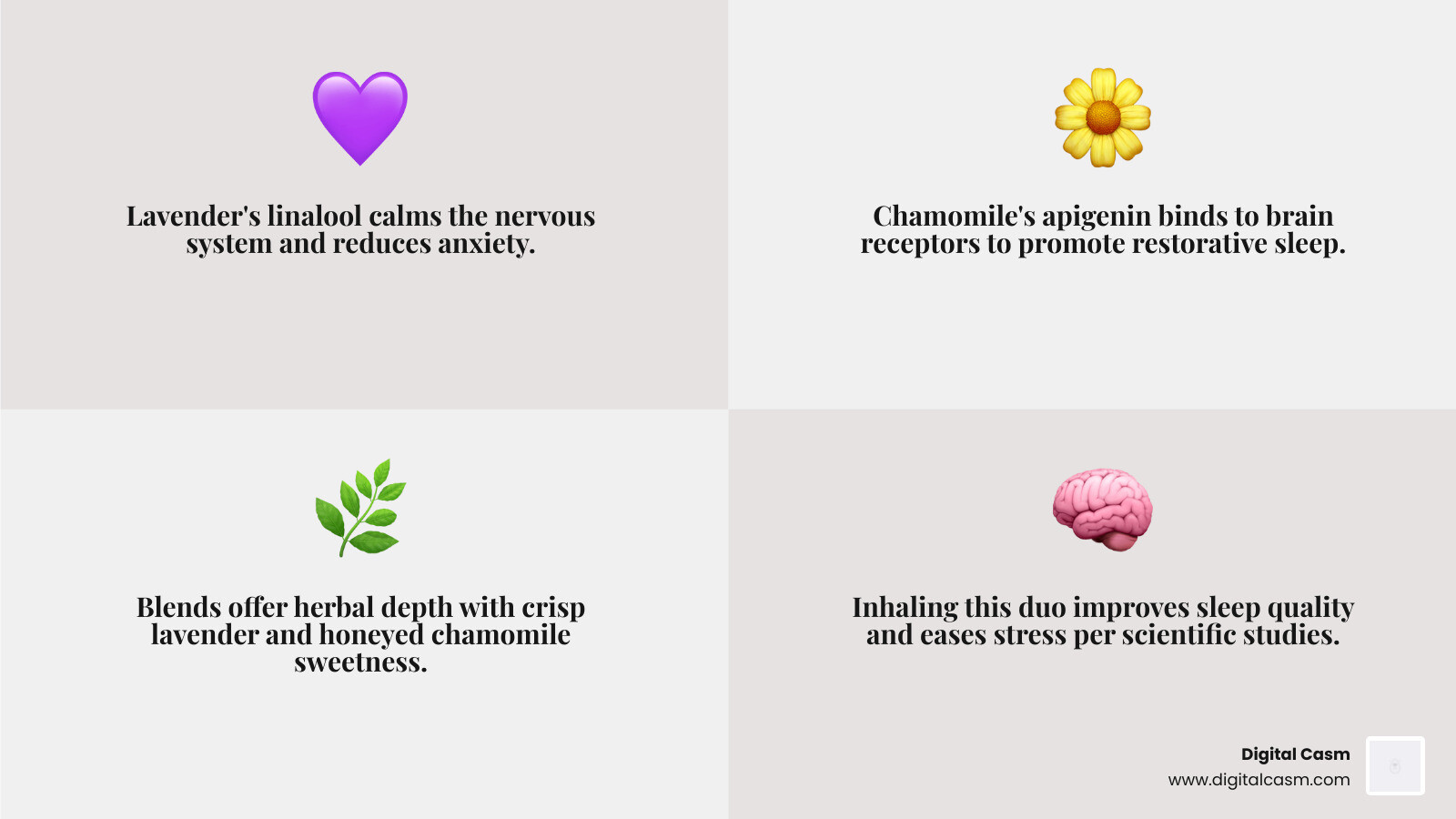
Research supports this too. Studies show that inhaling lavender-chamomile blends can reduce anxiety and improve sleep quality more than no intervention at all. Chamomile’s apigenin binds to brain receptors that help initiate sleep. Lavender’s linalool calms the nervous system. They genuinely work together.
Whether you’re exploring candles, diffusers, teas, or DIY crafting projects, this guide covers everything you need to know about the lavender and chamomile scent — from its aromatic layers to its wellness science, best product formats, and how to use it safely at home.
The Aromatic Profile of a Lavender and Chamomile Scent
When we talk about the lavender and chamomile scent, we aren’t just talking about a single smell. It is a sophisticated, multi-layered experience. Think of it as a botanical “hug” for your senses. At its core, this blend offers a luxurious harmony of calming and uplifting notes that transform a room from a chaotic living space into a personal sanctuary.
The primary characteristic of this duo is its herbal depth. Lavender provides a crisp, clean, and slightly camphoraceous aroma that feels fresh and airy. Chamomile softens that sharpness with a warm, honeyed sweetness that many describe as reminiscent of apples or hay. Together, they create an aromatic, herbaceous bouquet that feels both grounded and ethereal.
Modern fragrance houses often expand on this base to create more complex experiences. You might find a Chamomile Lavender blend that feels “meditative” because it incorporates smoky or earthy elements to anchor the floral sweetness.

Top, Middle, and Base Notes of the Lavender and Chamomile Scent
In perfumery and home fragrance, scents are built like a pyramid. The lavender and chamomile scent typically follows a specific structure:
- Top Notes: These are the first scents you notice. Common additions include Bergamot and Lemon for a bright, citrusy opening, or even a hint of Eucalyptus for a zesty, invigorating start. These notes provide an immediate sense of freshness.
- Middle Notes: This is the heart of the fragrance. Here, you’ll find the stars of the show: Provence Lavender and Blue Egyptian Chamomile. Sometimes, secondary herbal notes like Pine, Sage, or Rosemary are added to enhance the “garden-fresh” feeling.
- Base Notes: These are the lingering scents that stay in the room long after the candle is blown out. To give the blend warmth and longevity, perfumers often use Vanilla, Musk, Tonka Bean, Cedarwood, or even a touch of Sugar. These “heavy” notes provide a velvety finish that feels incredibly cozy.
Complexity and Differentiation in Modern Fragrances
Not all lavender-chamomile blends are created equal. Some brands lean heavily into the “floral” side, making the scent feel like a bouquet of fresh-cut flowers. Others prefer a more “herbal” or “medicinal” approach, emphasizing the clean, green aspects of the plants.
We often see “Mountain” or “Highland” variations that introduce smoky patchouli or balsamic cedarwood to mimic the smell of a cool, misty forest. This differentiation is what makes the scent so versatile; it can be light and “soapy” for a bathroom or deep and “resinous” for a study.
| Feature | Herbal Dominant Blend | Floral Dominant Blend |
|---|---|---|
| Primary Vibe | Clean, Zesty, Grounding | Sweet, Soft, Romantic |
| Key Accents | Eucalyptus, Sage, Pine | Vanilla, Honey, Jasmine |
| Best For | Kitchen, Office, Morning | Bedroom, Bath, Evening |
Wellness Benefits: Why This Duo Rules Sleep and Relaxation
At Digital Casm, we believe that self-care should be accessible and natural. The lavender and chamomile scent is perhaps the ultimate tool in our “natural pampering” toolkit because of its profound impact on the nervous system.
When you inhale these scents, the molecules travel through your olfactory system directly to the limbic system — the part of the brain that manages emotions. This is why a simple sniff can make you feel like you’ve just exhaled a day’s worth of tension. It’s not just “in your head”; it’s a physiological response.
The combination is particularly effective for stress relief. Lavender is famous for its ability to lower heart rates and blood pressure, while chamomile is a gentle, plant-based sedative that lulls the mind into peace without the “grogginess” often associated with synthetic sleep aids.

Why the Lavender and Chamomile Scent is Essential for Sleep
If you struggle with “monkey mind” at 2:00 AM, this scent duo is your best friend. The science behind it is fascinating:
- Linalool and Linalyl Acetate: These compounds found in lavender have sedative and anxiolytic (anxiety-reducing) properties. They help quiet the nervous system.
- Apigenin: This is chamomile’s secret weapon. It’s an antioxidant that binds to specific receptors in your brain that help initiate sleep.
- Synergy: Research on Chamomile Lavender Tea and aromatherapy suggests that when used together, these plants improve sleep quality more effectively than when used alone.
By incorporating a lavender and chamomile scent into your nightly ritual — perhaps through a pillow mist or a warm bath — you are essentially “conditioning” your brain to recognize that sleep is coming. Over time, your body begins to relax the moment it detects these notes.
Beyond the Bedroom: Versatility for Different Spaces
While sleep is the most common use case, we shouldn’t pigeonhole this scent. Its grounding effects make it perfect for several areas of the home:
- Meditation Spaces: The clarity provided by chamomile helps you “tune in” while lavender keeps you calm.
- Home Offices: If you have a high-stress job, a subtle lavender-chamomile diffuser can prevent “frazzled nerves” without making you feel sleepy.
- Kitchens: Some blends feature lemon or rosemary, making them excellent for neutralizing cooking odors while maintaining a peaceful atmosphere.
- Reading Nooks: It creates a “bespoke state of luxury,” allowing you to fully immerse yourself in a book.
Popular Product Formats for Home and Body
As of April 2026, the market for the lavender and chamomile scent has exploded with variety. Whether you want a scent that lasts all month or a quick burst of fragrance, there is a format for you.
Home Fragrance: Candles and Diffusers
Home fragrance is the most popular way to enjoy this duo.
- Jar Candles: High-quality 13oz jar candles made from soy or coconut wax can offer up to 70 hours of burn time. Look for candles with natural cotton wicks to ensure a clean, soot-free burn.
- Ultrasonic Diffusers: These are fantastic for a continuous, safe scent. A typical 14ml bottle of fragrance oil can provide a 2-3 month product life depending on how many drops you use.
- Smart Home Systems: Modern diffusers allow you to set schedules via an app, ensuring your home smells like lavender and chamomile the moment you walk through the door.
- Reed Diffusers: These are the “set it and forget it” option. Large reed diffusers can provide consistent fragrance throw for up to 9 months.
Personal Care: Body Mists and Bath Soaks
At Digital Casm, we love “DIY spa hacks,” and these personal care products are the easiest way to pamper yourself.
- Body Mists: Look for alcohol-free and dye-free versions. Many modern mists are infused with 5 skin-nourishing vitamins (A, B3, B5, C, E) and 7 superfruit antioxidants (like acai and green tea). This turns a simple scent into a skin-benefiting treatment.
- Bath Soaks: Adding lavender and chamomile to a warm bath is the ultimate wind-down. You can use bath salts, oils, or even dried botanical sachets.
- Linen Sprays: A quick spritz on your pajamas or pillowcases (always test a small patch first!) can transform your bedding into a “field of dreams.”
DIY Guide: Crafting with Lavender and Chamomile Fragrance
For those who love the “hand-picked” feel, crafting your own products is incredibly rewarding. Using a high-quality Lavender + Chamomile FO/EO Blend allows you to control the intensity and the ingredients in your home wellness products.
Performance in Candle and Soap Making
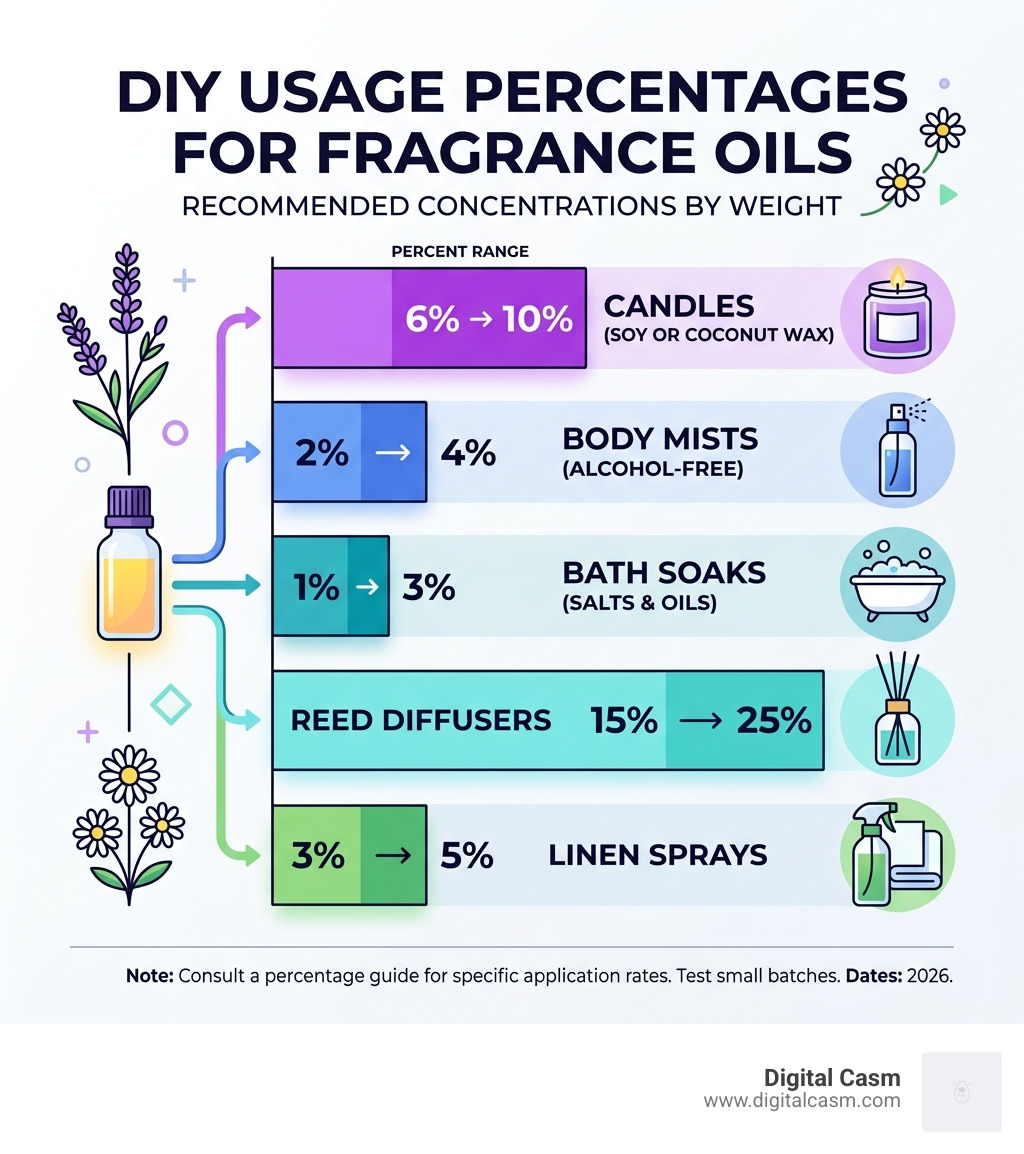
If you are a crafter, technical specs matter. Based on recent data from 2026, here is how a standard lavender-chamomile fragrance oil performs:
- Flashpoint: Typically around 172°F. This is important for safety when mixing with hot wax.
- Vanillin Content: Usually low (around 0.4% to 1%). In soap making, this means you might see a slight “tan” discoloration, which actually fits the natural, herbal aesthetic perfectly.
- Cold Process Soap: Most high-quality blends show no acceleration, meaning you have plenty of time to create beautiful swirls or designs in your soap.
- Scent Retention: It generally has “light to medium” retention in soap, but performs exceptionally well (“Strong” throw) in candles and room scenting.
- Customer Satisfaction: This specific fragrance blend currently holds a 96% positive rating (532 out of 557 reviews), making it a “Best Seller” for hobbyists and small businesses alike.
Safety, Usage, and Allergen Considerations
While natural-inspired scents are generally safe, we always recommend following these best practices:
- Check the “Free-Froms”: Ensure your oils are phthalate-free, paraben-free, and Prop 65 compliant. This ensures you aren’t releasing toxins into your home.
- Skin Sensitivity: Never apply undiluted fragrance or essential oils directly to the skin. Always follow IFRA guidelines (usually 1-5% for lotions and soaps).
- Pet Safety: Some pets, especially cats, can be sensitive to certain essential oils. If you are diffusing, ensure the room is well-ventilated and the pet can leave the space if they choose.
- Odor Elimination: Interestingly, this scent is a powerhouse for odor elimination. It is highly effective at neutralizing pet smells (like litter boxes) rather than just masking them.
- Testing: Always test your DIY creations in small batches. Every wax and soap base reacts differently!
Frequently Asked Questions about Lavender and Chamomile Scent
How long does the scent typically last in a home diffuser?
For an ultrasonic diffuser, 5-10 drops of oil will typically last for a 4-8 hour cycle. In terms of the bottle itself, a 0.5 fl oz (14ml) vial usually lasts about 2 to 3 months with daily use. If you use a reed diffuser, you can expect the scent to last anywhere from 3 to 9 months depending on the size of the vessel and the number of reeds used.
Is the lavender and chamomile scent safe to use around pets?
Generally, yes, but with caution. Lavender and chamomile are among the safer scents for pets compared to things like tea tree or peppermint. However, animals have a much stronger sense of smell than humans. Always use a high-quality, “clean” fragrance oil, keep the diffuser out of reach, and watch for signs of irritation (like sneezing or lethargy). Many pet owners actually use these candles specifically to eliminate pet odors!
Can I use lavender and chamomile fragrance oil for skin applications?
Yes, but only if it is diluted in a carrier oil (like jojoba or almond oil) or incorporated into a base like lotion or soap. You must check the IFRA (International Fragrance Association) guidelines for the specific oil you bought. Usually, the safe limit for body lotion is around 1-2%, while for soap it can be up to 5%.
Conclusion
Creating a home sanctuary doesn’t require a total renovation; sometimes, it just requires the right atmosphere. The lavender and chamomile scent is a timeless, science-backed way to bring tranquility into your daily life. Whether you’re sipping a cup of herbal tea, lighting a handcrafted candle, or indulging in a vitamin-rich body mist, this “dream team” of scents offers a simple path to natural wellness.
At Digital Casm, we believe in the power of small, daily rituals. By choosing clean, high-quality fragrances, you aren’t just making your house smell good — you’re giving yourself permission to exhale and recharge.
Ready to start your own home spa ritual? Visit Digital Casm for more natural self-care solutions and discover how to naturally pamper yourself every single day.
