
Get Your Glow On with These Turmeric Mask Recipes
Why Turmeric Has Become a Go-To Ingredient for Clearer Skin
A turmeric face mask for clear skin is one of the simplest DIY skincare treatments you can make at home — and it actually has science behind it.
Quick answer: How to make a basic turmeric face mask
- Mix 1 tsp turmeric powder with 1 tsp raw honey and 1 tsp plain yogurt
- Stir into a smooth paste
- Apply to clean skin, avoiding the eye area
- Leave on for 10–15 minutes
- Rinse thoroughly with lukewarm water
- Follow with your regular moisturizer
Turmeric’s active compound, curcumin, has well-documented antioxidant and anti-inflammatory properties. These make it a popular choice for tackling skin concerns like acne, dullness, and uneven tone — all from your bathroom counter.
Indian brides have used turmeric on their skin for centuries before their wedding day, prizing it for the glow it leaves behind. Today, that same tradition is finding a new audience among people who want effective, low-effort skincare without a salon appointment.
The best part? You likely already have the ingredients in your kitchen.
In this guide, you’ll find recipes tailored to specific skin concerns, a clear step-by-step application process, and honest information about what the science actually says — and where it’s still limited.
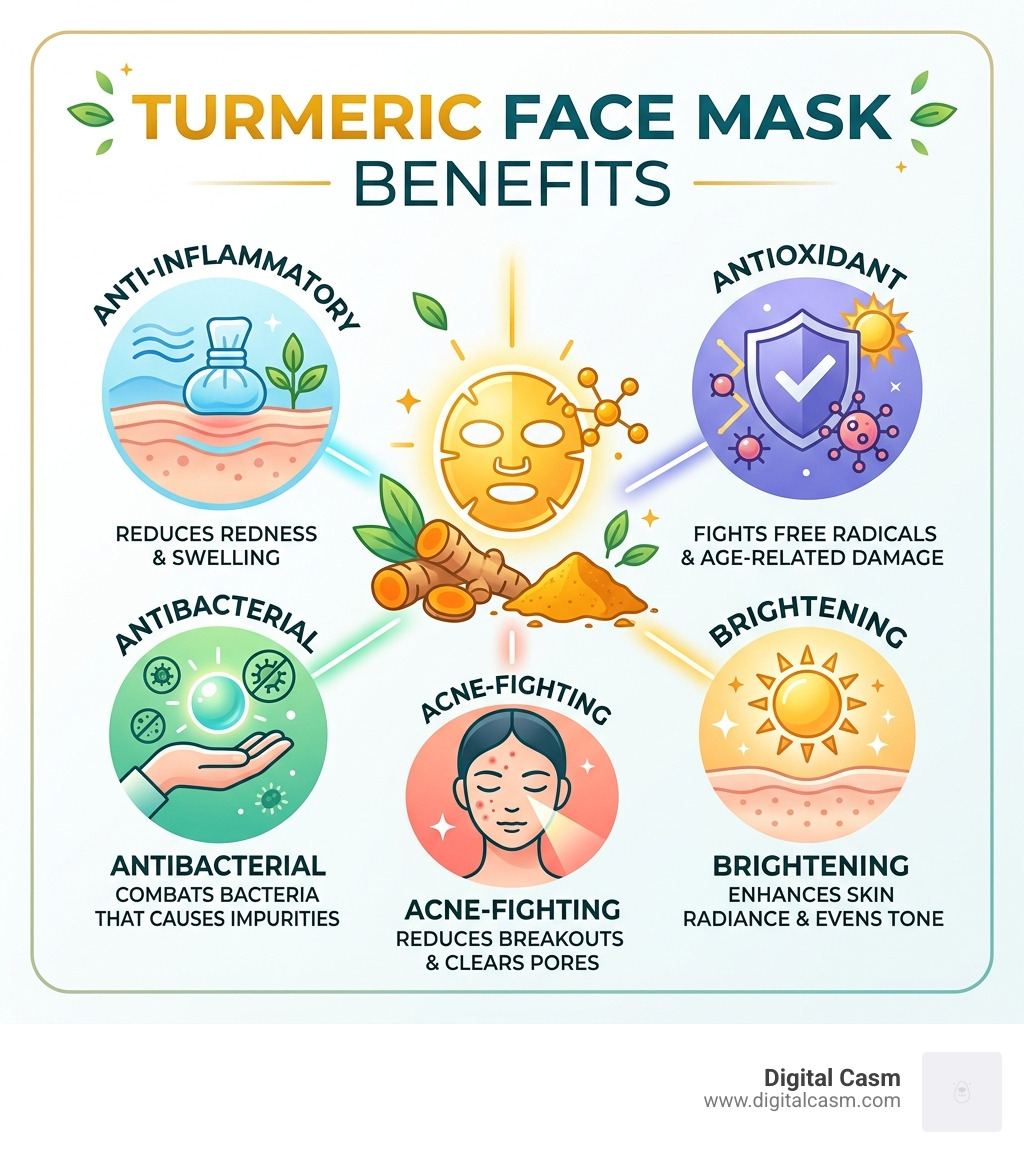
The Science of Curcumin: Why Use a turmeric face mask for clear skin?
At Digital Casm, we believe that understanding the “why” behind your beauty routine is just as important as the “how.” The magic of turmeric lies in curcuminoids, the active polyphenols that give the spice its vibrant golden hue. The most famous of these is curcumin.
Fighting Bacteria and Acne
Research suggests that curcumin possesses potent antimicrobial properties. In laboratory settings, it has shown an ability to inhibit the growth of Propionibacterium acnes (the primary bacteria behind breakouts) as well as Staphylococcus aureus. By reducing the bacterial load on the skin’s surface, a turmeric face mask for clear skin may help prevent future pimples while calming existing ones.
Managing Psoriasis and Inflammation
The anti-inflammatory power of turmeric is more than just a folk remedy. Scientific research on turmeric for skin conditions has highlighted its potential for managing chronic issues like psoriasis. Curcumin may work by suppressing phosphorylase kinase (PhK), a protein involved in the overproduction of skin cells.
In small clinical trials, a curcumin-based gel resolved 90% of psoriasis symptoms in participants within two to six weeks. While these were small groups, the results are incredibly promising for those seeking natural relief from redness and scaling.
Collagen and Brightening
As we move through April 2026, the focus on “pro-aging” and skin structure is stronger than ever. Turmeric has been shown to positively affect tissue and collagen production, which are essential for skin elasticity. Furthermore, scientific research on curcumin and hyperpigmentation indicates that it can inhibit melanin production. This makes it a natural ally for fading dark spots and evening out your complexion.
DIY Recipes and Application Steps
To get the most out of your mask, you need to choose a base that complements your specific skin type. Turmeric is powerful, but it works best when paired with ingredients that balance its intensity.
| Skin Type | Recommended Mask Base | Primary Benefit |
|---|---|---|
| Oily/Acne-Prone | Chickpea Flour (Besan) | Sebum regulation and deep cleansing |
| Dry/Dehydrated | Greek Yogurt or Milk | Lactic acid exfoliation and hydration |
| Sensitive/Irritated | Aloe Vera Gel | Calming, cooling, and redness reduction |
| Dull/Uneven Tone | Raw Honey | Antibacterial and natural humectant |
DIY turmeric face mask for clear skin Recipes for Every Concern
When mixing your own masks at home, a golden rule is to keep the turmeric ratio between 10% and 20% of the total mixture. This provides enough curcumin to be effective without turning your face permanently orange!
1. The Acne-Fighting Powerhouse Mix 1 teaspoon of organic turmeric with 1 tablespoon of raw honey. Honey is hygroscopic, meaning it pulls moisture into the skin while simultaneously “suffocating” bacteria. This duo is a “Swiss army knife” for blemishes.
2. The Brightening Lemon Mix Combine 1 teaspoon of turmeric, 1 tablespoon of yogurt, and a few drops of fresh lemon juice. The lactic acid in the yogurt and the Vitamin C in the lemon work with the turmeric to dissolve dead skin cells and lighten pigmentation.
3. Soothing Sunburn & Redness Relief Mix turmeric extract or powder with pure aloe vera gel. This creates a cooling paste that reduces the oxidative stress caused by sun exposure.
4. The Exfoliating Glow Mask Add finely ground oat powder (not oat flour, which has the beneficial bran removed) to your turmeric and honey mix. The oats provide a gentle physical exfoliation that leaves the skin feeling incredibly soft.
Step-by-Step: Applying Your turmeric face mask for clear skin
Applying a turmeric mask requires a bit more strategy than your average sheet mask. Because turmeric is oil-soluble and highly pigmented, follow these steps to keep your skin (and your bathroom) clean.
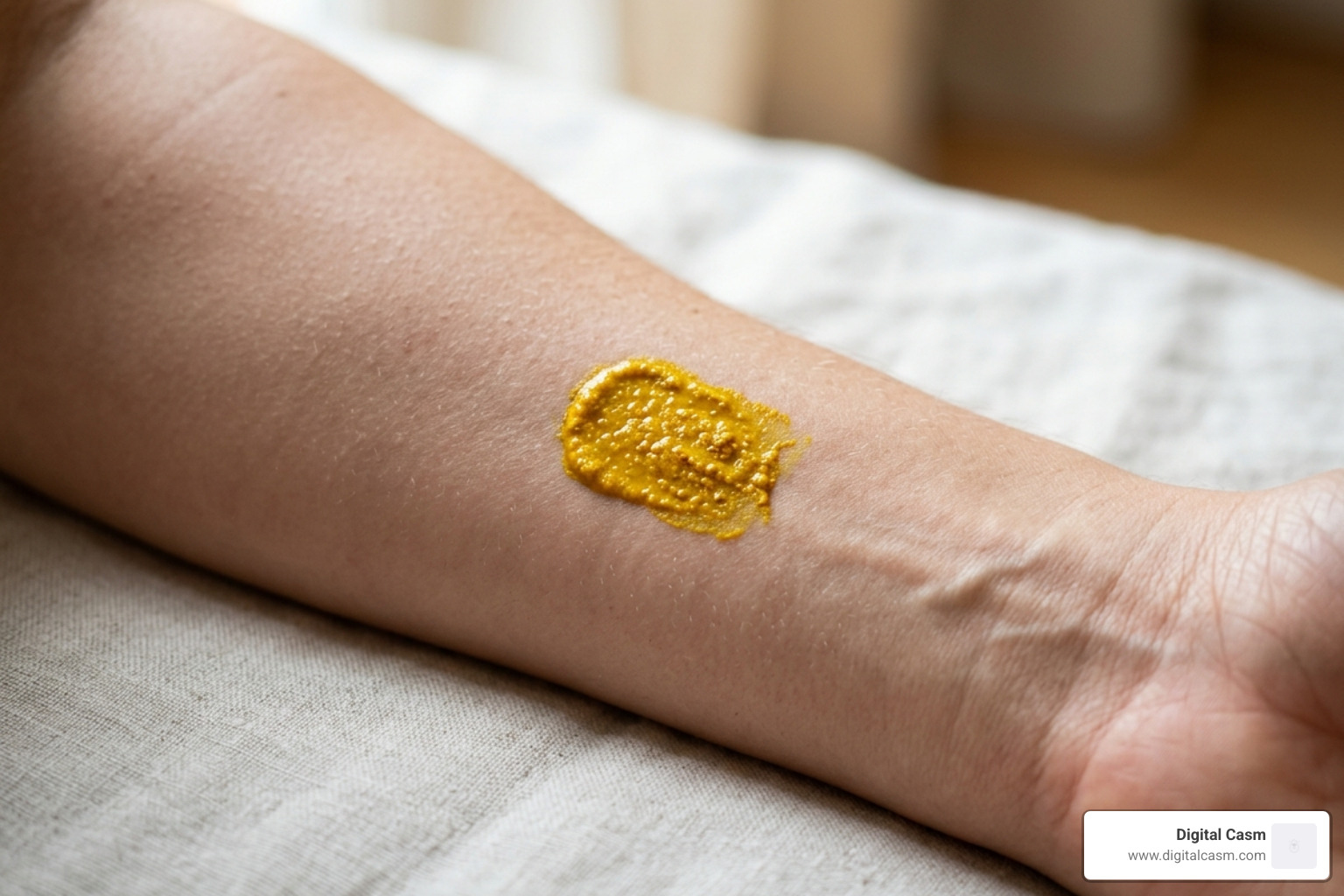
- The Patch Test: This is non-negotiable. Apply a small amount to your inner arm. Use the 1-minute rule: if there’s no burning or immediate staining after 60 seconds, leave it for 5 minutes. If all is well, you’re ready for a full face application.
- Prep Your Space: Wear an old T-shirt you don’t mind staining. Tie your hair back securely—turmeric can be very difficult to remove from blonde or light-colored hair.
- Cleanse: Start with a clean, dry face. Use a gentle, alcohol-free cleanser to remove surface oils so the curcumin can penetrate more effectively.
- Application: Using your fingertips or a dedicated mask brush, apply a thin, even layer. Avoid the delicate eye area and your eyebrows.
- The Wait: Leave the mask on for 10–15 minutes. Do not let the mask dry until it cracks and becomes painful; it should still feel slightly tacky when you begin to rinse.
- The Rinse: Use lukewarm water. We recommend rinsing in the shower to avoid splashing yellow water all over your sink and towels.
- Double Cleanse: If you see a yellow tint, don’t panic! Use your regular facial cleanser a second time. If the stain persists, a “milk swipe” (wiping the skin with a cotton pad soaked in milk) or using a light oil like jojoba or olive oil will lift the pigment right off.
Managing Risks: Staining, Irritation, and Safety
While we love natural remedies, “natural” doesn’t always mean “risk-free.” It is vital to be aware of how your skin interacts with potent spices.
Staining and Dye Avoidance
The most common “side effect” is temporary yellow staining. To minimize this, always source high-quality, organic turmeric. Some cheaper brands add yellow dyes to make the powder look more vibrant, which can cause much deeper staining. You might also look for Kasturi turmeric (Wild Turmeric), which is a non-edible variety used specifically for skincare because it is less likely to stain the skin.
Skin Reactions and Retinoids
Some individuals may experience contact dermatitis—an itchy, red rash. This is why the patch test is so important. Additionally, if you use prescription retinoids or strong AHAs, be cautious. Combining these with a turmeric mask can sometimes cause a burning sensation. If you feel any heat or stinging, wash the mask off immediately.
Emergency Safety
In very rare cases, a person may have a severe allergic reaction known as anaphylaxis. If you experience swelling of the lips or tongue, difficulty breathing, or hives, seek emergency medical help immediately. If you have a known severe allergy, ensure your epinephrine pen is nearby before trying new botanical treatments.
Scientific research on topical turmeric absorption shows that curcumin is actually quite difficult for the skin to absorb. While this limits some of its therapeutic “deep” benefits, it also means it stays mostly on the surface, which is why the staining issue is so prominent.
Commercial Products vs. Homemade Solutions
If the idea of mixing yellow powder in your kitchen feels too messy, there are fantastic commercial options available. In April 2026, the market for turmeric-infused skincare has exploded, offering refined versions of these ancient remedies.
Commercial Advantages:
- pH Balance: Professional masks are formulated to match the skin’s natural pH (around 5.5), which is crucial for maintaining the skin barrier.
- Added Ingredients: Many store-bought masks include Kaolin clay or Bentonite clay to draw out impurities, or Vitamin C for extra brightening.
- No Staining: Chemists often use turmeric root oil or specialized extracts that provide the benefits of curcumin without the heavy yellow pigment.
- Shelf Life: Homemade masks must be used immediately or stored in the fridge for only a day or two. Commercial products contain safe preservatives that allow them to sit on your vanity for months.
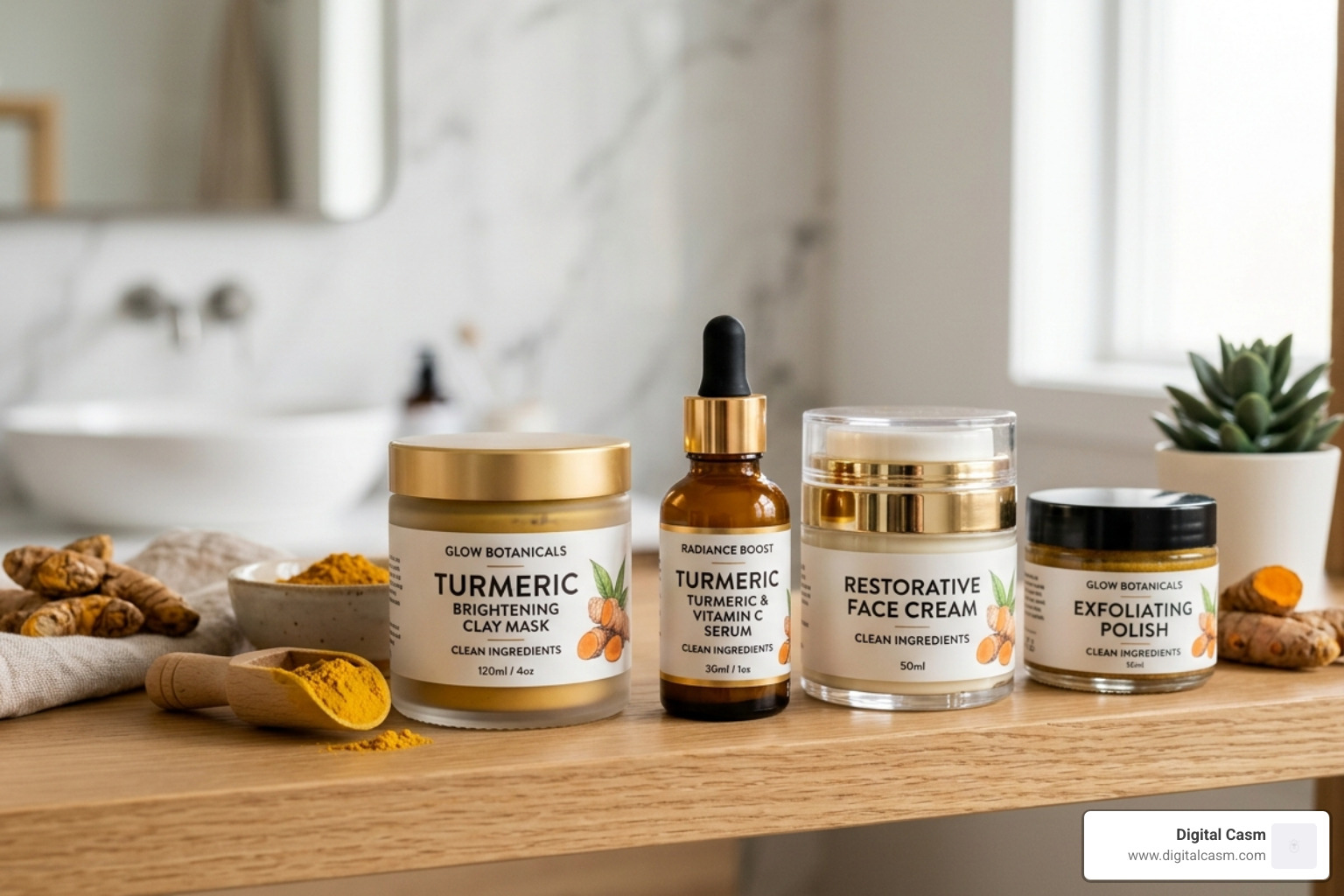
When shopping, look for products with high ratings (many top-tier turmeric clay masks boast 4.4 out of 5 stars from thousands of users). Check for organic certifications to ensure you’re getting the real deal without fillers.
Frequently Asked Questions about Turmeric Masks
Does a turmeric face mask for clear skin stain permanently?
No, it is not permanent. However, it can be stubborn on very fair skin or porous skin types. The yellow tint usually fades within a few hours as your skin produces natural oils. If you have an event the next morning, apply the mask at night to give the tint time to disappear while you sleep.
How often should I use a turmeric mask?
For most skin types, once or twice a week is plenty. Using it daily could potentially disrupt your skin’s natural balance or lead to over-exfoliation if your mask base is grainy (like chickpea flour or oats). Consistency over time—using it weekly for at least a month—is the best way to see a real change in your “glow.”
Is turmeric suitable for all skin types?
Generally, yes, but with adjustments.
- Oily skin loves turmeric because it helps regulate sebum.
- Dry skin needs the turmeric to be mixed with a fatty base like full-fat yogurt or almond oil to prevent further dryness.
- Sensitive skin should use a lower concentration of turmeric and a soothing base like aloe.
Conclusion
Embracing a turmeric face mask for clear skin is a beautiful way to connect with ancient wellness traditions while treating your skin to modern, science-backed benefits. Whether you’re whipping up a DIY spa hack in your kitchen or choosing a high-end commercial clay mask, the goal is the same: empowering yourself to naturally pamper your skin.
At Digital Casm, we believe that home wellness should be accessible, effective, and a little bit fun. So, grab your turmeric, put on an old shirt, and get ready to see that golden glow!
For more tips on natural self-care and DIY spa secrets, visit us for more info about natural beauty services.
